

Rapid Weight Loss Tips: Simple Steps That Work Fast (and Safely)
By Estanislao Nunez
How fast you can safely lose weight, why crash diets backfire, and 9 simple steps that speed up fat loss without losing muscle or energy.
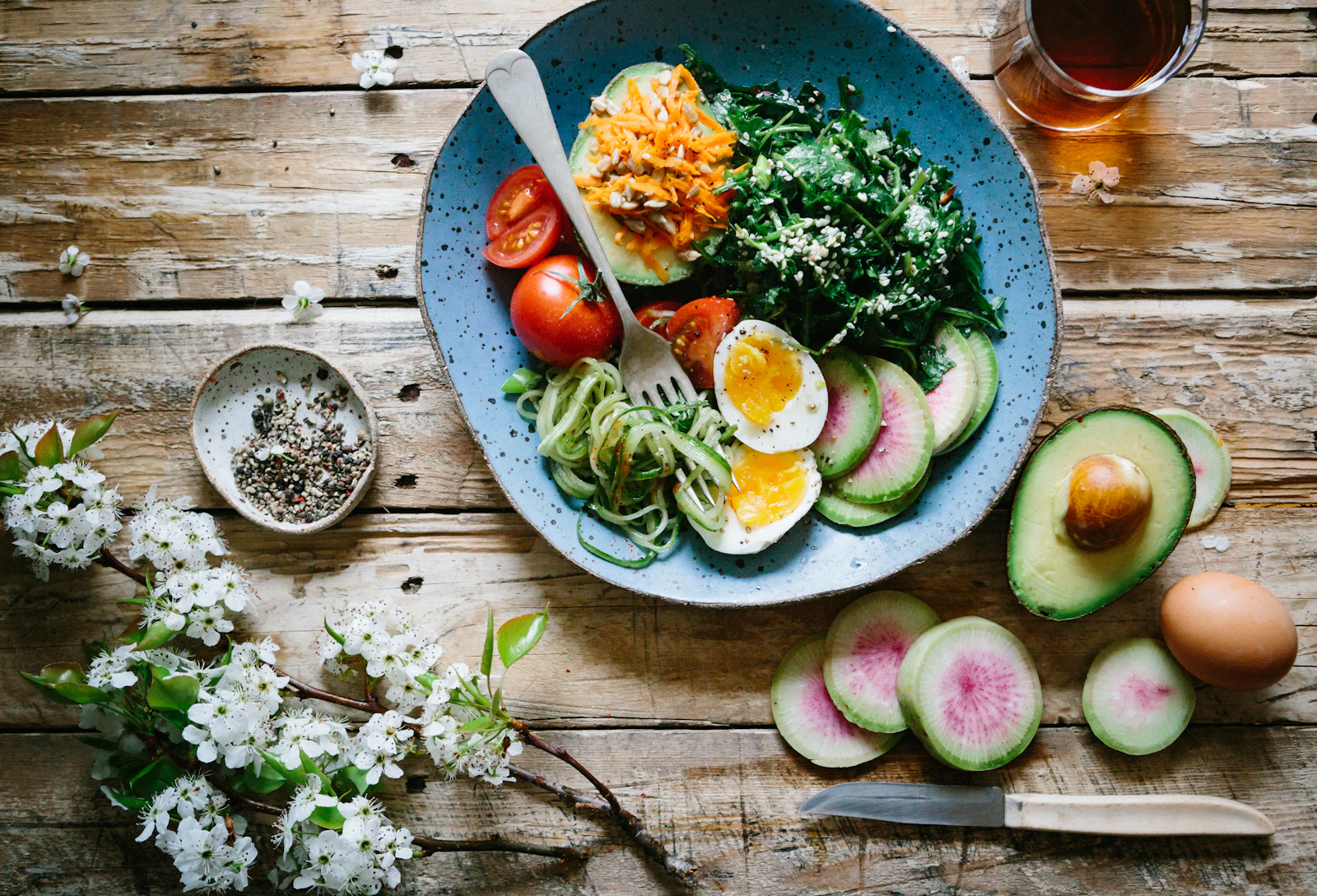
Wanting quick results is completely normal, especially before an event, a holiday or a doctor's appointment. The good news is that the first few weeks of a well-planned approach can bring visible progress. The catch is that "fast" has limits: push too hard and you lose muscle, feel exhausted and usually regain the weight. This guide shows you how to lose weight as quickly as is safe, and how to keep it off.
How fast is fast enough?
Health organizations such as the CDC suggest aiming for about 1 to 2 pounds (0.5 to 1 kg) a week. People with more weight to lose often drop faster at first, and almost everyone sees a bigger change on the scale in week one. Much of that early drop is water and stored carbohydrate, not fat, so don't panic when the pace slows in week two or three. That's normal.
A steady 1 to 2 pounds a week adds up to 12 to 24 pounds in three months, and it's far more likely to stay off.
Why crash diets backfire
Very low-calorie diets (under about 1,200 calories a day for most women and 1,500 for most men, unless medically supervised) tend to cause:
- Muscle loss, which lowers the number of calories you burn every day.
- Low energy and poor workouts, so you move less without noticing.
- Strong hunger and cravings, which makes binges and rebounds more likely.
- Missing nutrients, because there isn't enough food to cover your needs.
The fastest sustainable route is a moderate calorie deficit combined with high protein and strength training.
9 steps that speed up fat loss
- Set a moderate calorie deficit. Eating roughly 300 to 500 calories less than you burn each day is enough for steady loss for most people. A food tracker makes this much easier for the first few weeks.
- Make protein the base of every meal. Aim for about 0.7 grams per pound of goal body weight a day, split over three or four meals. Protein keeps you full and protects muscle while you lose fat.
- Fill half your plate with vegetables. They add volume and fiber for very few calories, so meals feel bigger.
- Cut liquid calories first. Soda, sweet coffee drinks, juice and alcohol are easy to over-consume and don't fill you up. Swapping them for water, sparkling water or black coffee is often the quickest win.
- Strength train two to four times a week. Lifting tells your body to keep its muscle while you're eating less, so more of what you lose is fat.
- Walk more every day. Daily steps burn more calories than most people think. Adding 2,000 to 3,000 steps a day is simple and doesn't increase hunger the way hard workouts can.
- Sleep 7 to 9 hours. Short sleep is linked to bigger appetite and more cravings, especially for high-calorie snacks.
- Plan your meals and snacks. Deciding in advance beats deciding when you're hungry. Even planning tomorrow's lunch tonight helps.
- Weigh in the same way each time. Weigh yourself on the same scale, first thing in the morning, a few times a week, and watch the weekly average rather than single days.
A simple day of eating
- Breakfast: Greek yogurt with berries and a spoon of oats.
- Lunch: a large salad with grilled chicken, beans, vegetables and a light dressing.
- Snack: an apple and a string cheese, or a protein shake.
- Dinner: salmon or tofu, roasted vegetables and a small portion of rice or potatoes.
Adjust portions to your size and hunger. If you're always starving, add more protein and vegetables before cutting anything else.
When progress stalls
Plateaus happen to everyone. If the weekly average hasn't moved for two to three weeks:
- Re-check portion sizes for a few days; they tend to creep up.
- Add 10 to 15 minutes of walking a day.
- Make sure you're still strength training and eating enough protein.
- Be patient around your period or after a salty meal: water weight can hide fat loss for a week or more.
Who should check with a doctor first
Talk with your doctor before starting a weight-loss plan if you are pregnant or breastfeeding, have diabetes or take medication for blood sugar or blood pressure, have a history of disordered eating, or have another medical condition.
The bottom line
Rapid weight loss that lasts comes from a moderate deficit, plenty of protein, strength training, daily walking and good sleep. Track your food and workouts in Peakfit for the first month and you'll see exactly what's working.
This article is general information, not medical advice. Talk with a doctor before starting a new exercise or eating plan, especially if you have a health condition, are pregnant or take medication.
Tags#rapid weight loss#fat loss tips#healthy weight loss#calorie deficit#metabolism boost
Comments
No comments yet. Start the conversation.