

Why Growth Requires Struggle and Discomfort
By Estanislao Nunez
Discover why personal growth often comes through discomfort, challenge, and resilience—and how to turn struggle into progress.
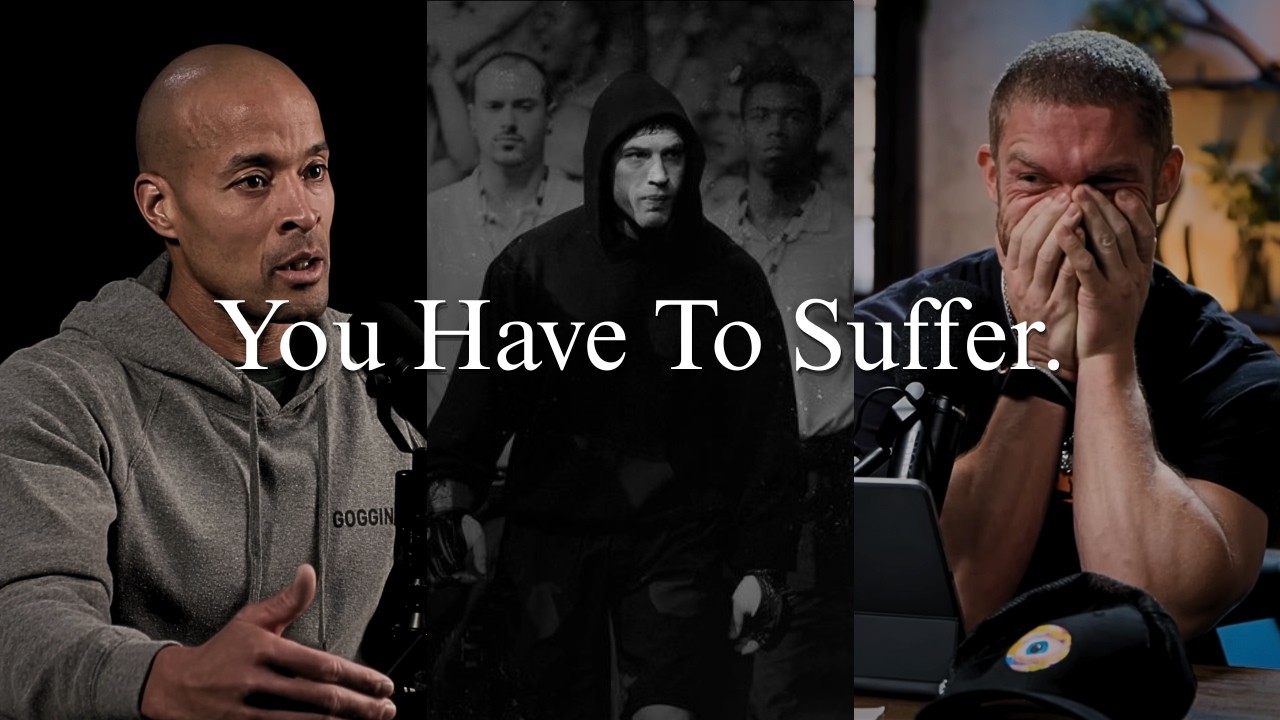
Progress rarely feels effortless. In many areas of life, the moments that shape us most are the ones that test our patience, confidence, and endurance. While comfort can offer rest and stability, it often does little to expand our abilities. Growth asks for something harder: a willingness to face uncertainty, make mistakes, and keep moving when the outcome is not guaranteed.
This is why struggle is often part of meaningful development. Learning a new skill, building a career, improving a relationship, or changing unhealthy habits all require repetition and resistance. At first, the process can feel discouraging. You may feel awkward, underprepared, or even inadequate. Yet those feelings are not proof that you are failing. They are often signs that you are stretching beyond what is familiar.
Discomfort is not the enemy of progress. In many cases, it is the environment where progress begins. When you encounter difficulty, you are forced to adapt. You learn how to solve problems, manage frustration, and stay committed without immediate reward. These are not just side effects of growth; they are essential parts of it.
There is also an emotional dimension to this idea. Suffering, whether mild or intense, can reveal what matters most to you. It can clarify your priorities, expose your limits, and sharpen your sense of purpose. People often discover strength during periods they would never choose for themselves. That strength does not come from enjoying pain, but from responding to it with honesty and persistence.
Still, growth should not be confused with unnecessary hardship. Not every difficult situation is beneficial, and not all suffering leads to wisdom. The goal is not to seek pain for its own sake. The goal is to understand that meaningful change usually requires effort, patience, and resilience. There is a difference between destructive struggle and productive challenge. Learning to recognize that difference is part of becoming wiser.
One practical way to approach this mindset is to break large goals into smaller actions. When the process feels overwhelming, focus on what can be done today. Progress often becomes visible only in hindsight, after many small efforts have accumulated. A difficult season may feel stagnant while you are living through it, but it can still be quietly building discipline and character.
- Accept that early mistakes are part of learning.
- Measure progress by consistency, not perfection.
- Use setbacks as information, not as identity.
- Stay committed to the process even when results are slow.
Over time, the lessons gained through challenge tend to last longer than lessons gained through ease. Confidence built through adversity is often deeper because it is tested. Skills earned through repetition are often stronger because they were practiced under pressure. In that sense, struggle is not simply a cost of growth; it is often the very mechanism that makes growth possible.
To grow is not to avoid suffering at all costs, but to face difficulty with purpose. It means understanding that discomfort can be temporary while the benefits of perseverance may endure. When handled with care, struggle can become a teacher, and suffering can become a turning point.
This article is general information, not medical advice. Talk with a doctor before starting a new exercise or eating plan, especially if you have a health condition, are pregnant or take medication.
Tags#personal growth#resilience building#embracing discomfort#self improvement#growth mindset
Comments
No comments yet. Start the conversation.