
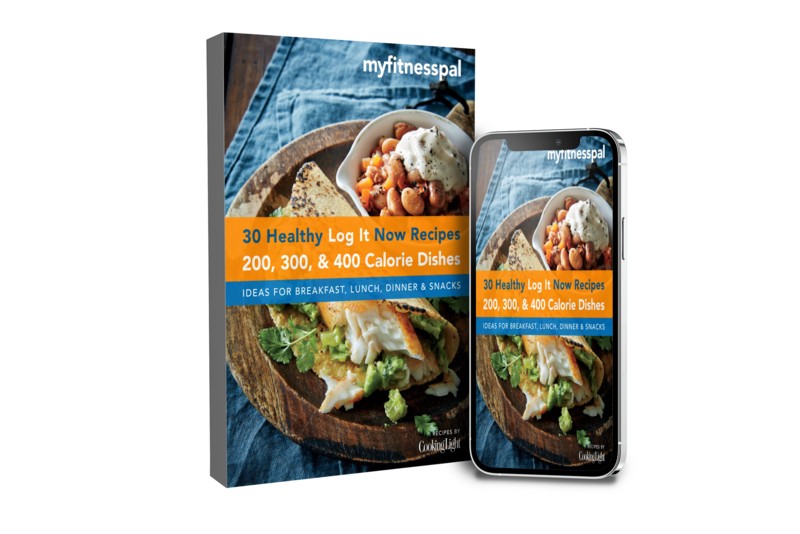
30 Healthy 200, 300, and 400 Calorie Recipes
Easy healthy recipes for breakfast, lunch, dinner, and snacks, all designed to fit 200, 300, or 400 calorie goals.
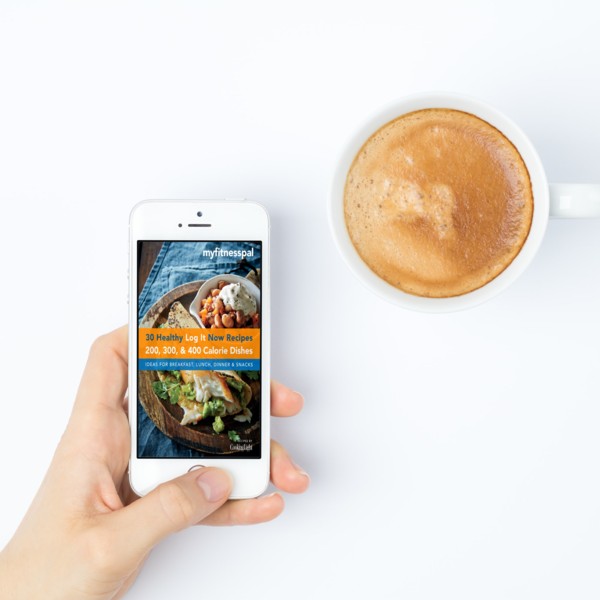
Keeping meals light does not have to mean keeping them bland. With a little planning, you can build satisfying dishes that fit neatly into 200, 300, or 400 calories and still feel complete. The key is balancing protein, fiber, and healthy fats so each plate supports steady energy and helps you stay full between meals.
For breakfast, aim for simple combinations that are quick to assemble and easy to repeat during the week. Greek yogurt with berries and chia seeds is a strong 200-calorie option, while oatmeal topped with banana and almond butter can land closer to 300 calories. If you want something more filling, a vegetable egg scramble with whole-grain toast can reach the 400-calorie range without feeling heavy. These kinds of meals work well because they deliver volume, flavor, and nutrition in one bowl or plate.
Lunch is often where people need the most structure, especially on busy days. A turkey lettuce wrap with hummus and sliced cucumbers can be a fresh 200-calorie choice. For a 300-calorie lunch, try a quinoa salad with chickpeas, tomatoes, lemon, and herbs. If you need a more substantial midday meal, a grilled chicken grain bowl with roasted vegetables and a light dressing can stay around 400 calories while still offering enough protein to carry you through the afternoon.
Dinner can remain balanced without becoming complicated. Baked salmon with asparagus and cauliflower rice is a dependable lower-calorie option, while turkey chili with beans provides a hearty 300-calorie meal that feels comforting and complete. For a 400-calorie dinner, consider shrimp stir-fry with mixed vegetables and a measured portion of brown rice. These meals show that portion control does not mean sacrificing variety or satisfaction.
Snacks are easier to manage when they are planned ahead. Apple slices with peanut butter, cottage cheese with pineapple, or roasted chickpeas can all fit into a smart daily routine. If you prefer something savory, try a hard-boiled egg with cherry tomatoes or a small serving of edamame. Snacks in the 200-calorie range are especially useful when you want to bridge the gap between meals without overdoing it.
To make these recipes work in real life, focus on a few practical habits:
- Measure high-calorie ingredients like oils, nuts, cheese, and dressings.
- Build meals around lean protein such as chicken, fish, eggs, tofu, or beans.
- Add vegetables generously for volume and nutrients.
- Use herbs, citrus, garlic, and spices to keep flavors bright without extra calories.
Meal prep can also make healthy eating much easier. Cooking grains, roasting vegetables, and portioning proteins in advance gives you quick options for breakfast, lunch, dinner, and snacks throughout the week. When you already have a few 200, 300, and 400 calorie choices ready to go, it becomes much simpler to log meals accurately and stay consistent.
These recipes are not about restriction. They are about creating flexible, realistic meals that fit different appetites and schedules. Whether you need a light snack, a balanced lunch, or a satisfying dinner, a thoughtful calorie range can help you eat well without overcomplicating the day.
What's Your Reaction?
 Like
0
Like
0
 Dislike
0
Dislike
0
 Love
0
Love
0
 Funny
0
Funny
0
 Wow
0
Wow
0
 Sad
0
Sad
0
 Angry
0
Angry
0