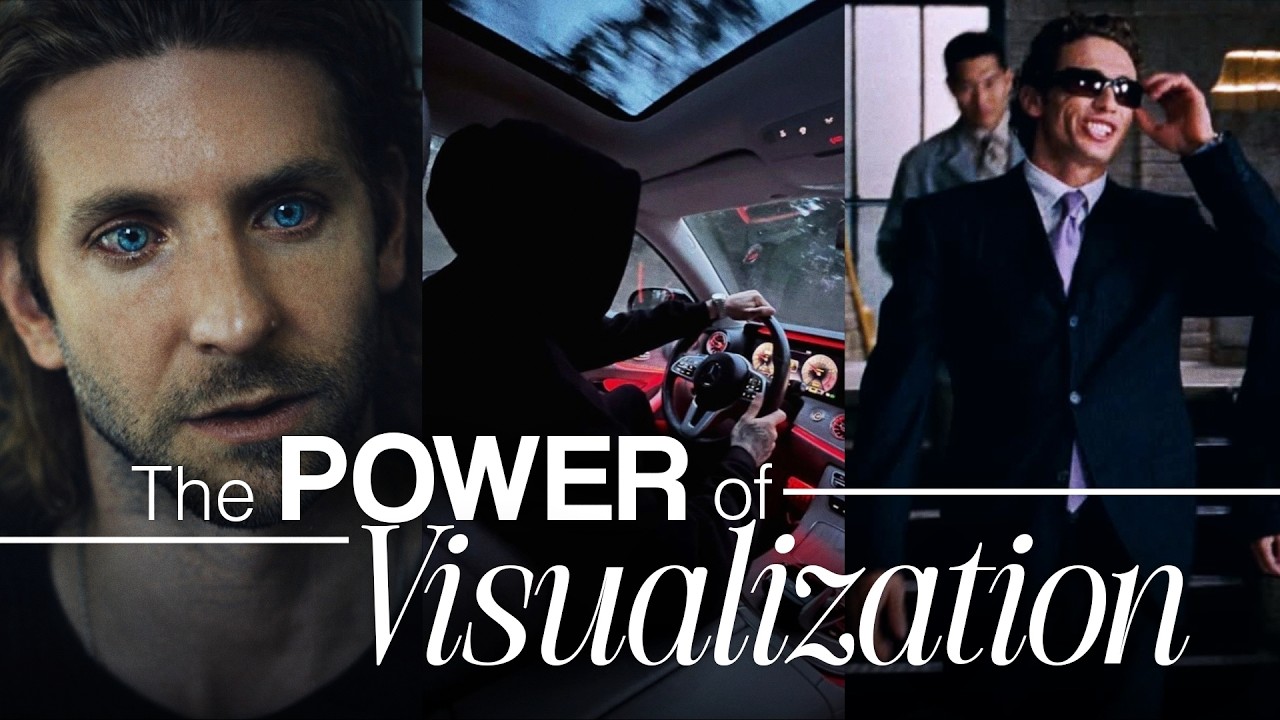

Watch This Before You Visualize Again: 20 Minutes That Matter
Learn how to visualize effectively, avoid common mistakes, and turn mental imagery into a practical tool for focus, confidence, and performance.
Visualization is often presented as a simple shortcut: close your eyes, picture success, and wait for results. In practice, it works best when it is specific, grounded, and tied to action. Many people try to visualize outcomes without preparing the mind to notice details, manage resistance, or connect imagery to real behavior. That is why a short, focused reset can change how the practice feels and what it produces.
Before you visualize again, it helps to understand what the method is actually doing. Mental imagery is not magic. It is a form of rehearsal. When done well, it can strengthen attention, reduce hesitation, and make a desired response feel more familiar. Athletes use it to rehearse movement. Speakers use it to prepare for pressure. Professionals use it to build calm before difficult conversations. The common thread is not fantasy; it is preparation.
The first mistake is making the image too vague. A general scene of success rarely gives the brain anything useful to work with. Specificity matters. If the goal is a strong presentation, imagine the room, the first sentence, the sound of your voice, the pace of your breathing, and the moment you answer a question. If the goal is better focus, picture the desk, the task list, and the decision to begin despite distraction. The more concrete the image, the more usable it becomes.
The second mistake is skipping emotion and sensation. Visualization works better when it includes how success feels, not just how it looks. Notice posture, breathing, facial expression, and even the internal shift that comes with staying calm under pressure. This does not mean forcing excitement. It means making the experience believable enough that your mind can rehearse it as a real event.
Another important point is that visualization should not replace effort. It is most effective when paired with a plan. A useful approach is to spend a few minutes visualizing the desired outcome, then a few minutes visualizing the process that leads there. For example, instead of only imagining crossing a finish line, imagine the warm-up, the first few minutes of discomfort, and the choice to keep going. That sequence helps turn motivation into repeatable behavior.
A simple 20-minute structure can make the practice more effective:
- 5 minutes: settle the body with slow breathing and a quiet environment.
- 5 minutes: define one clear outcome and make it specific.
- 5 minutes: rehearse the process, including obstacles and responses.
- 5 minutes: end by linking the image to one immediate action you will take next.
This final step matters because it bridges imagination and execution. Without it, visualization can remain abstract and pleasant but disconnected from daily life. With it, the practice becomes a cue for action. You are not just seeing a result; you are rehearsing the behavior that makes the result more likely.
Used this way, visualization is less about positive thinking and more about mental training. It helps you prepare for uncertainty, reduce friction, and act with greater clarity. The next time you try it, do not aim for a perfect movie in your head. Aim for a realistic rehearsal that teaches your mind what to do when it matters.
What's Your Reaction?
 Like
0
Like
0
 Dislike
0
Dislike
0
 Love
0
Love
0
 Funny
0
Funny
0
 Wow
0
Wow
0
 Sad
0
Sad
0
 Angry
0
Angry
0