

The Power of Persistence: How Consistency Drives Success

Discover how persistence builds resilience, improves results, and turns setbacks into steady progress in work and life.
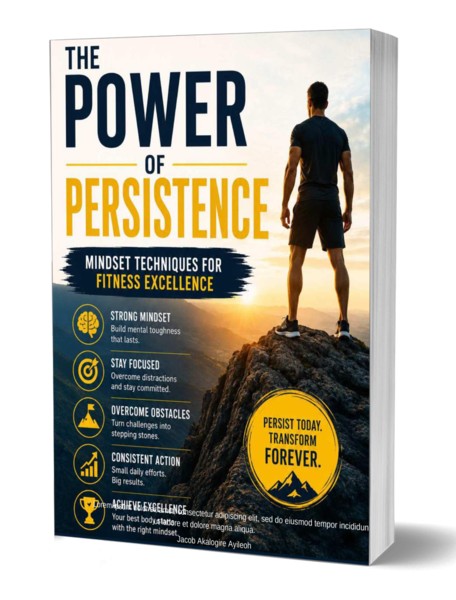
The Power of Persistence: How Consistency Drives Success

Persistence is often the difference between a temporary setback and a lasting achievement. Many goals do not fail because they are impossible; they fail because the effort required to reach them is underestimated. When progress is slow, uncertain, or uncomfortable, persistence keeps a person moving forward long enough to see results.

What makes persistence so effective is that it works with reality rather than against it. Most meaningful outcomes take time. Skills improve through repetition, trust grows through reliability, and ambitious projects develop through steady effort. In each case, success is rarely the result of one dramatic moment. It is usually built through small actions repeated over days, months, or even years.

Persistence also changes how people respond to difficulty. A setback can feel like proof that an idea is wrong or a goal is out of reach. Persistent people interpret setbacks differently. They treat them as information. A missed target, a rejected proposal, or a failed attempt becomes a chance to adjust the approach rather than abandon the objective. This mindset reduces the emotional weight of failure and makes continued effort more practical.

There is also a strong connection between persistence and confidence. Confidence is not always present at the start of a challenge. In many cases, it develops after repeated effort shows that progress is possible. Each attempt provides evidence that improvement is happening, even if the change is small. Over time, that evidence builds trust in one’s ability to continue.

Persistence is not the same as stubbornness. Stubbornness ignores feedback, while persistence adapts to it. A persistent person remains committed to the goal but is willing to change tactics, improve skills, or seek better methods. This balance is important because it keeps effort focused and productive. The goal stays the same, but the path can evolve.

In professional settings, persistence is especially valuable. Careers are rarely shaped by one perfect opportunity. They are shaped by consistent performance, follow-through, and the ability to keep learning after disappointment. Employers, clients, and colleagues often notice reliability before they notice talent. A person who keeps showing up and improving steadily tends to earn more trust and create more opportunities.

Persistence also supports long-term personal growth. Whether someone is learning a language, building a business, improving health, or developing a creative skill, progress usually comes in stages. Motivation may rise and fall, but persistence provides structure when enthusiasm is not enough. It turns intention into action and action into habit.

For anyone trying to achieve something meaningful, the lesson is clear: results often belong to those who continue after others stop. Persistence does not guarantee immediate success, but it greatly increases the odds of eventual progress. It helps people stay engaged, learn from experience, and keep moving toward goals that matter. In that sense, persistence is not just a useful trait; it is one of the most reliable foundations for success.

What's Your Reaction?

Like Like 0
Dislike Dislike 0
Love Love 0
Funny Funny 0
Wow Wow 0
Sad Sad 0
Angry Angry 0