
Best Fitness Apps for Reliable Workout and Nutrition Guidance

Sifting through apps looking for fitness advice can be daunting, but a few stand out for delivering practical guidance without overwhelming the user. The most useful options usually combine clear workout plans, reliable tracking, and simple nutrition support. Instead of trying to do everything, they focus on helping people build consistent habits that are easier to maintain over time.
One of the biggest advantages of a strong fitness app is structure. Many people know they want to exercise more, but they do better when the app provides a clear starting point. Apps with guided workout programs can remove guesswork by offering routines based on goals such as strength, endurance, mobility, or weight management. This is especially helpful for beginners who may not know how to organize a weekly plan or choose exercises that fit their current ability.
Tracking features are equally valuable. A good workout tracking app can log sets, reps, distance, pace, or active minutes, making progress easier to see. That visibility can be motivating, particularly when results are gradual. Some apps also sync with wearables, which gives users a fuller picture of daily movement, sleep, and heart rate. While numbers should not be the only measure of success, they can help people understand patterns and stay accountable.
Nutrition tools are another reason certain apps are especially useful. A dependable calorie tracker or meal logging app can help users become more aware of eating habits without forcing a strict diet. The best ones offer food databases, portion estimates, and simple summaries rather than complicated rules. For people who want broader support, a nutrition app may include hydration reminders, grocery planning, or macro tracking. These features can make healthy choices feel more manageable during busy weeks.
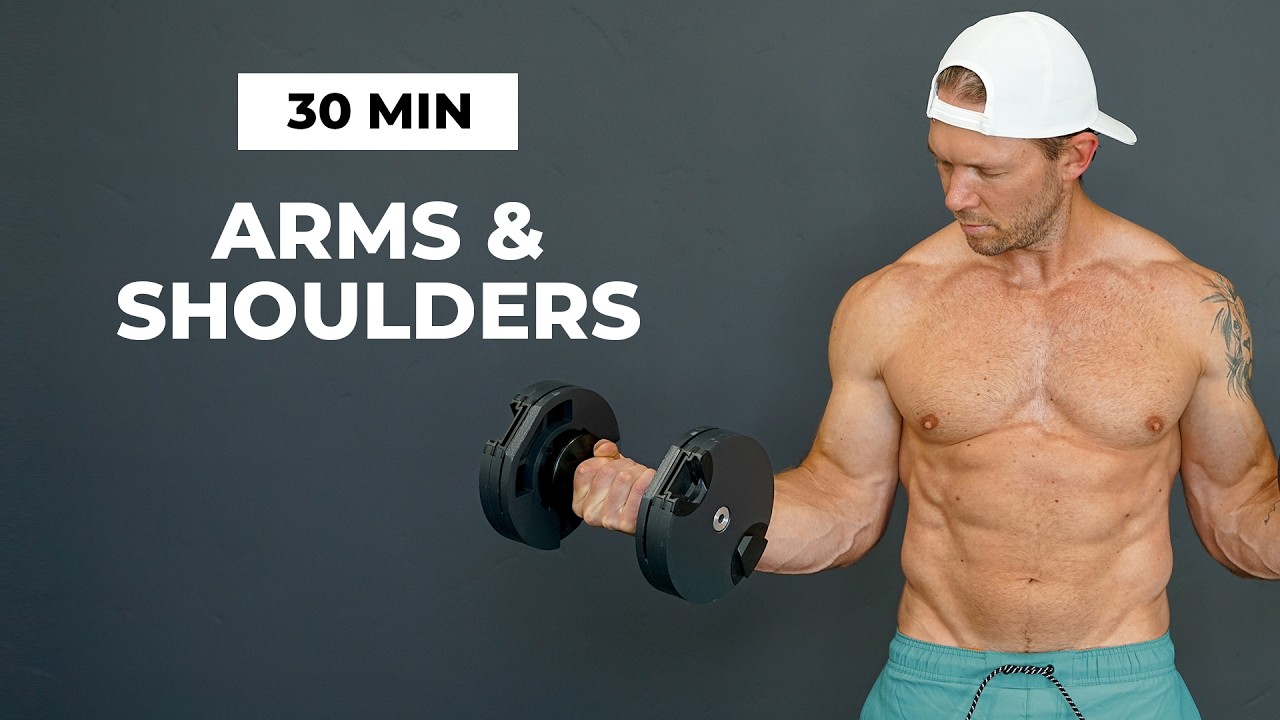
For those who prefer exercising at home, a home workout app can be a practical solution. These apps often include bodyweight routines, short sessions, and video demonstrations that make it easier to follow along. They are useful for people with limited time, limited equipment, or a preference for privacy. Many also offer modifications, which helps users adjust intensity as they improve. That flexibility is important because the best fitness advice is the kind that fits real life.
When evaluating any app, it helps to look beyond flashy design and focus on usability. A useful app should be easy to navigate, provide credible information, and support realistic goals. It should also avoid making exaggerated promises. Progress in fitness usually comes from repetition, recovery, and steady effort, not from quick fixes. Apps that encourage sustainable routines tend to offer more value in the long run.
In the end, the most useful fitness apps are the ones that match a person’s goals and lifestyle. Some users need workout structure, others need nutrition guidance, and many benefit from a combination of both. Choosing a few well-designed tools can make fitness advice feel less scattered and more actionable. Instead of searching endlessly, it is often better to pick an app that supports consistency, keeps information clear, and makes healthy habits easier to follow.
What's Your Reaction?
 Like
0
Like
0
 Dislike
0
Dislike
0
 Love
0
Love
0
 Funny
0
Funny
0
 Wow
0
Wow
0
 Sad
0
Sad
0
 Angry
0
Angry
0