
Why Getting Fit Pays Off for Years to Come
Discover how getting fit improves health, energy, and resilience for years, creating lasting benefits that go far beyond appearance.
Getting fit is often seen as a short-term goal, but its real value shows up over time. The effort you put into exercise, movement, and healthier routines can shape how you feel not just this month, but for years to come. A stronger body, better stamina, and improved daily habits can make everyday life easier and more enjoyable well into the future.
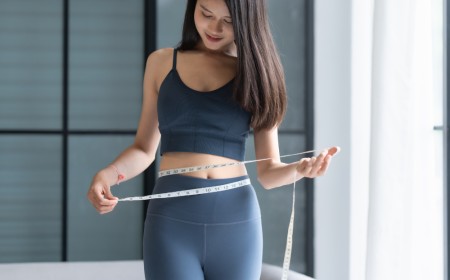
One of the most important long-term benefits of fitness is better health. Regular physical activity supports heart health, helps manage weight, and can lower the risk of many chronic conditions. It also improves circulation, strengthens muscles and bones, and helps the body function more efficiently. These changes may not happen overnight, but they build a foundation that can protect your quality of life as you age.
Fitness also supports mental well-being. Exercise is linked to reduced stress, better mood, and improved sleep. Over time, people who stay active often develop stronger coping skills and more consistent energy levels throughout the day. That can make it easier to handle work demands, family responsibilities, and personal challenges without feeling as drained.
Another lasting benefit is independence. Strong muscles, balance, and flexibility help with simple tasks such as carrying groceries, climbing stairs, or getting up from the floor. These abilities matter at every age, but they become especially valuable later in life. Staying fit now can help preserve mobility and reduce the risk of injury in the future.
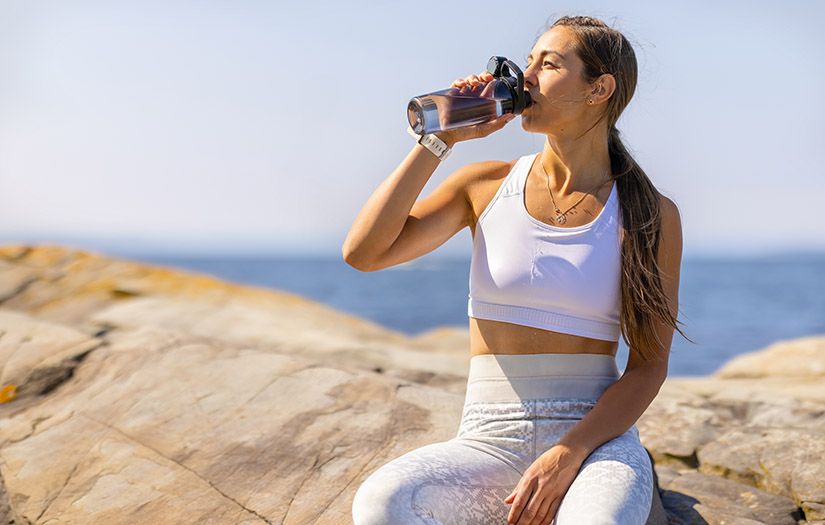
Getting fit can also create positive habits that last. When people begin exercising regularly, they often become more aware of sleep, nutrition, hydration, and recovery. Those small choices add up. A person who starts walking daily may later choose better meals, drink more water, and make time for rest. In this way, fitness often becomes the starting point for a healthier lifestyle overall.
There is also a practical side to long-term fitness. Fewer health problems can mean fewer medical costs, less time spent recovering, and more freedom to stay active in work and leisure. It can also improve performance in hobbies, sports, and travel. Whether you want to keep up with your children, enjoy outdoor activities, or simply feel better in your own body, fitness supports those goals.
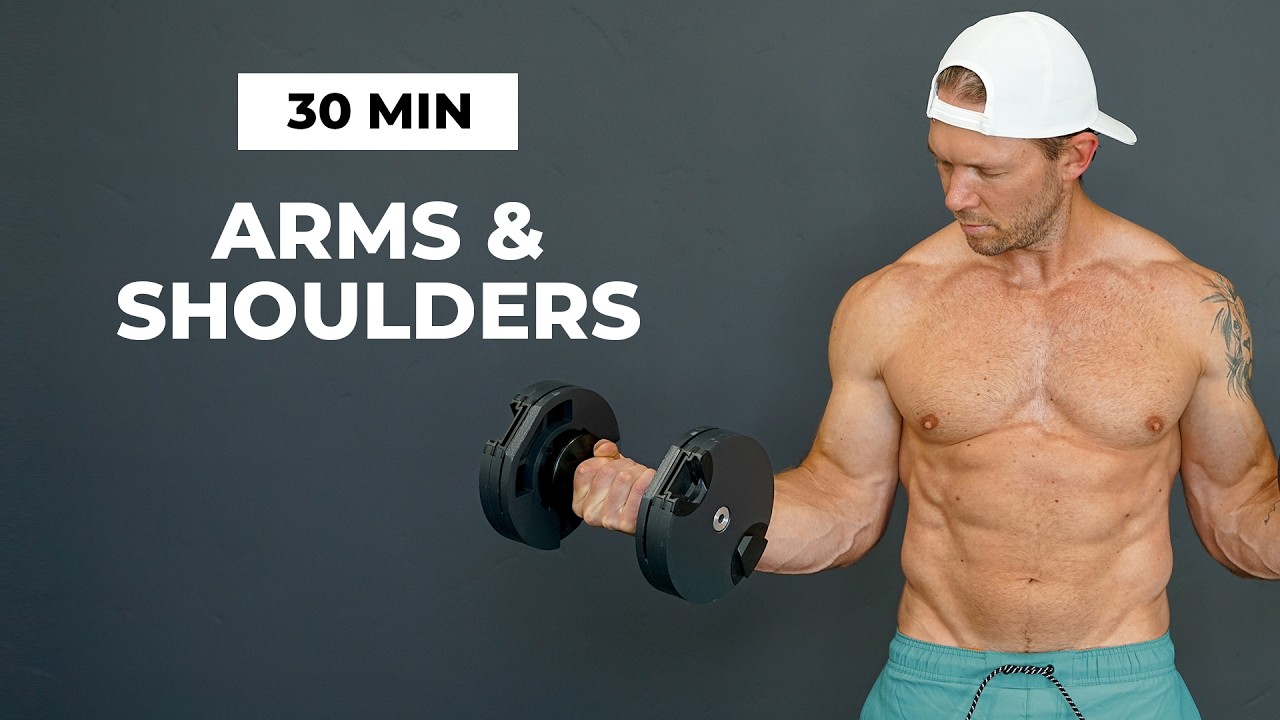
The key is consistency rather than perfection. You do not need extreme workouts to see lasting results. A mix of walking, strength training, stretching, and other enjoyable activities can be enough to make meaningful progress. What matters most is building a routine you can maintain. Small, steady effort often leads to the biggest long-term rewards.
Getting fit is not only about looking better today. It is an investment in the years ahead. The habits you build now can support your health, confidence, and independence for a long time. In that sense, every step, workout, and healthy choice contributes to a stronger future.
What's Your Reaction?
 Like
1
Like
1
 Dislike
0
Dislike
0
 Love
0
Love
0
 Funny
0
Funny
0
 Wow
0
Wow
0
 Sad
0
Sad
0
 Angry
0
Angry
0