
Fat Loss and Muscle Building: The Ultimate Body Transformation Guide
Learn how to lose fat and build muscle with smart training, nutrition, recovery, and consistency for sustainable body transformation.
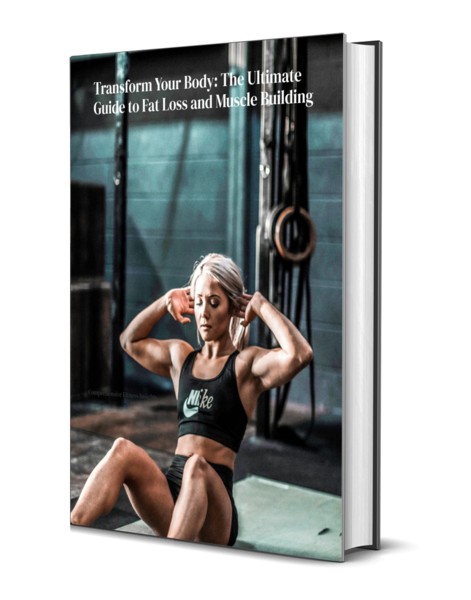
Transforming your body is not about extreme dieting or endless hours in the gym. The most effective approach combines fat loss and muscle building in a way that supports long-term progress, energy, and health. While these goals may seem opposite, they can work together when training, nutrition, and recovery are aligned.
The foundation of fat loss is creating a calorie deficit, but the size of that deficit matters. A moderate reduction in calories helps you lose fat without sacrificing muscle. At the same time, strength training signals your body to preserve and build lean tissue. This is why lifting weights is essential, even if your primary goal is to get leaner.
Training for both goals
A well-designed program should prioritize compound movements such as squats, deadlifts, presses, rows, and pull-ups. These exercises recruit multiple muscle groups, making workouts efficient and effective. Aim to train each major muscle group at least twice per week, and focus on progressive overload by gradually increasing weight, reps, or training volume over time.
Cardio can support fat loss, but it should complement, not replace, strength work. Moderate-intensity sessions, brisk walking, cycling, or short interval training can improve conditioning and help increase daily energy expenditure. The best routine is one you can recover from consistently.
Nutrition that supports transformation
Protein is one of the most important nutrients for body recomposition. It supports muscle repair, helps maintain lean mass during fat loss, and can improve satiety. A practical target for many active people is to include a quality protein source in every meal, such as chicken, fish, eggs, Greek yogurt, tofu, or lean beef.
Carbohydrates and fats also matter. Carbs fuel hard training sessions and help maintain performance, while healthy fats support hormones and overall health. Instead of cutting entire food groups, build meals around whole foods, vegetables, fruits, lean proteins, and controlled portions of calorie-dense foods.
- Prioritize protein at every meal
- Use mostly whole, minimally processed foods
- Keep a modest calorie deficit for fat loss
- Support workouts with enough carbohydrates
- Stay consistent rather than chasing perfection
Recovery drives results
Muscle is built outside the gym. Sleep, stress management, and rest days all influence how well your body adapts. Most people benefit from seven to nine hours of sleep per night, along with enough recovery between intense training sessions. If fatigue is high, performance drops, or motivation disappears, it may be a sign to reduce volume or improve recovery habits.
Progress should be measured by more than the scale. Track waist measurements, photos, strength improvements, and how your clothes fit. These indicators often reveal body composition changes that the scale alone cannot show. A slower, steady pace is usually more sustainable than aggressive cuts or rapid bulking cycles.
Ultimately, the best body transformation strategy is simple: lift progressively, eat with purpose, recover well, and stay patient. When these habits become consistent, fat loss and muscle building can happen together in a realistic, lasting way.
What's Your Reaction?
 Like
0
Like
0
 Dislike
0
Dislike
0
 Love
0
Love
0
 Funny
0
Funny
0
 Wow
0
Wow
0
 Sad
0
Sad
0
 Angry
0
Angry
0