
Ideal Protein Recipes Cookbook: Healthy, Easy Meal Ideas
Discover ideal protein recipes with balanced, satisfying meals designed for weight management, simple prep, and everyday healthy eating.
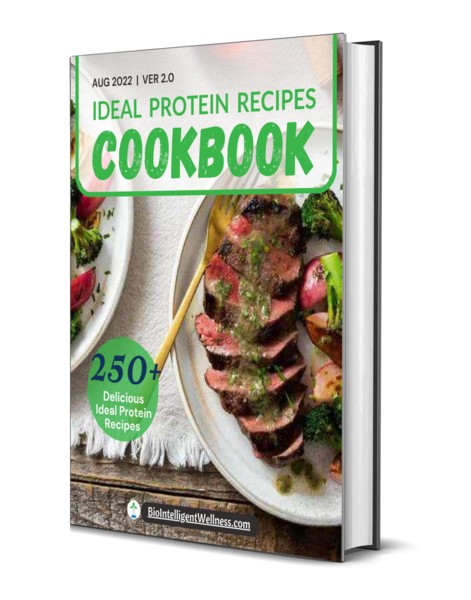
Cooking with a protein-focused approach can make healthy eating feel practical rather than restrictive. An ideal protein recipes cookbook is most useful when it offers meals that are simple to prepare, balanced in flavor, and easy to fit into a busy routine. The best recipes do more than deliver protein; they also help create meals that feel satisfying, repeatable, and realistic for everyday life.
When building a collection of ideal protein recipes, it helps to focus on ingredients that support structure and variety. Lean meats, eggs, fish, tofu, Greek yogurt, cottage cheese, and legumes can all serve as dependable bases. From there, vegetables, herbs, spices, and light sauces add interest without making meals overly complicated. This approach makes it easier to create dishes that are nourishing while still appealing to a wide range of tastes.
Breakfast is often the easiest place to start. High-protein egg muffins, yogurt bowls with berries and seeds, and cottage cheese pancakes can provide a strong morning foundation. These options are especially useful because they can be prepared ahead of time and stored for quick access during the week. For many people, a protein-rich breakfast also helps reduce mid-morning snacking and supports steadier energy levels.
Lunch and dinner recipes benefit from the same balance of simplicity and variety. Grilled chicken with roasted vegetables, salmon with greens, turkey lettuce wraps, and stir-fried tofu are all examples of meals that can be adapted with different seasonings and sides. A well-designed cookbook should include recipes that work for both fresh cooking and meal prep, since many readers want meals that hold up well in the refrigerator and reheat without losing quality.
Smart recipe design matters as much as ingredient choice. Clear instructions, realistic portions, and common pantry ingredients make a cookbook more valuable to everyday cooks. Recipes should also include flexible options, such as swapping one protein for another or adjusting seasoning to match personal preference. That kind of adaptability helps the cookbook remain useful over time instead of feeling limited to a narrow eating plan.
It is also important to think about texture and satisfaction. Protein-heavy meals can sometimes feel repetitive if they lack contrast, so recipes should combine creamy, crisp, tender, and fresh elements. A chicken salad with crunchy vegetables, a yogurt parfait with nuts, or a baked fish dish with citrus and herbs can create more enjoyable eating experiences. Small details like these often make the difference between a meal that is simply healthy and one that people actually want to repeat.
For readers looking for structure, an ideal protein recipes cookbook can serve as a practical guide. It can support weight management, simplify grocery planning, and reduce the stress of deciding what to cook. When recipes are organized clearly and built around accessible ingredients, the cookbook becomes more than a collection of meals. It becomes a reliable tool for building consistent habits.
In the end, the most effective protein cookbook is one that combines nutrition, convenience, and flavor in equal measure. By offering recipes that are easy to follow and satisfying to eat, it gives home cooks a dependable way to prepare meals that support their goals without sacrificing enjoyment.
What's Your Reaction?
 Like
0
Like
0
 Dislike
0
Dislike
0
 Love
0
Love
0
 Funny
0
Funny
0
 Wow
0
Wow
0
 Sad
0
Sad
0
 Angry
0
Angry
0